
Introduction
Colorado is renowned for its breathtaking landscapes, rugged mountains, and deep historical roots extending far into the past. Beneath its modern facade lies a rich tapestry of ancient cultures that once thrived in the American Southwest, waiting to be rediscovered by the curious and the scholarly alike. This blog post aims to shed light on some of Colorado’s hidden archaeological treasures, sites that offer a glimpse into the lives of the people who inhabited this land thousands of years ago. As we explore these ancient sites, we uncover the secrets of the past and connect with the enduring spirit of exploration and discovery that defines the human experience. These archaeological wonders, from the vast plains to the high deserts, reveal stories of adaptation, innovation, and survival, marking Colorado as a significant chapter in the saga of human history in the American Southwest.
Next, we’ll delve into the significance of Colorado archaeology and the diverse types of sites found throughout the state.
Exploring Colorado Archaeology
Colorado’s archaeological landscape is as diverse as it is rich, offering a unique window into the ancient cultures of the American Southwest. The state is dotted with many archaeological sites, ranging from the remains of ancient cliff dwellings perched high in the mountains to vast, open landscapes that once hosted thriving ancient cities and sacred ceremonial sites. These sites serve as silent witnesses to the millennia of human activity and evolution, providing invaluable insights into Colorado’s earliest inhabitants’ daily lives, spiritual beliefs, and societal structures.
Archaeology in Colorado does more than uncover artifacts; it reveals the stories of the people who lived here long before the advent of modern civilization. Through meticulous excavation and analysis, archaeologists have been able to piece together a picture of diverse cultures that adapted to and thrived in the varied environments of Colorado. From the high desert plateaus to the fertile river valleys, each archaeological find adds a new chapter to our understanding of human history in the region.
The significance of Colorado archaeology lies not just in the uncovered artifacts and structures but also in the light these discoveries shed on the ingenuity and resilience of ancient peoples. These findings profoundly impact our understanding of prehistoric life, offering clues to ancient agricultural practices, trade routes, and social organization. As we continue to explore and study Colorado’s hidden archaeological treasures, we deepen our connection to the past and gain valuable perspectives on the challenges and triumphs of human history.
Next, we will explore the Lindenmeier Site, one of Colorado’s most significant archaeological treasures, and its contributions to understanding the Folsom culture.
The Lindenmeier Site

Nestled in the vast open landscapes of Northern Colorado, the Lindenmeier Site stands as one of the most important archaeological discoveries in North America. Unearthed in the 1930s, this extensive site has provided an unprecedented look into the Folsom culture. This Paleo-Indian society thrived in the region approximately 10,000 to 12,000 years ago. The significance of Lindenmeier extends beyond its age; it offers a detailed snapshot of life in prehistoric America, highlighting the advanced tool-making skills and the deep connection these ancient peoples had with their environment.
The site is most famous for its exquisitely crafted Folsom points—finely made stone spearheads that are a hallmark of Folsom culture. These artifacts, along with other tools and evidence of habitation found at Lindenmeier, illustrate a highly mobile society adept at hunting the now-extinct bison that once roamed the Great Plains. The sophistication of these tools not only underscores the ingenuity of the Folsom people but also their deep understanding of animal behavior and their ability to adapt to the challenging conditions of the time.
Archaeological investigations at the Lindenmeier Site have also contributed significantly to our understanding of social organization and trade among ancient North American cultures. The discovery of artifacts made from materials sourced from distant regions suggests that the Folsom people engaged in extensive trade networks, connecting them with other groups across the continent. This evidence of interaction and exchange adds a rich layer of complexity to our understanding of prehistoric societies, demonstrating that even in ancient times, human communities were not isolated but part of a larger, interconnected world.
The Lindenmeier Site is a cornerstone in studying North American archaeology, providing invaluable insights into the lives of the people who once inhabited the region. Its discoveries fascinate and inform, offering a tangible connection to a distant past that shapes our understanding of human history.
In the next section, we will focus on another remarkable site in Colorado, the Magic Mountain Site, and explore its contributions to our knowledge of prehistoric hunter-gatherer societies in the American Southwest.
Magic Mountain Site
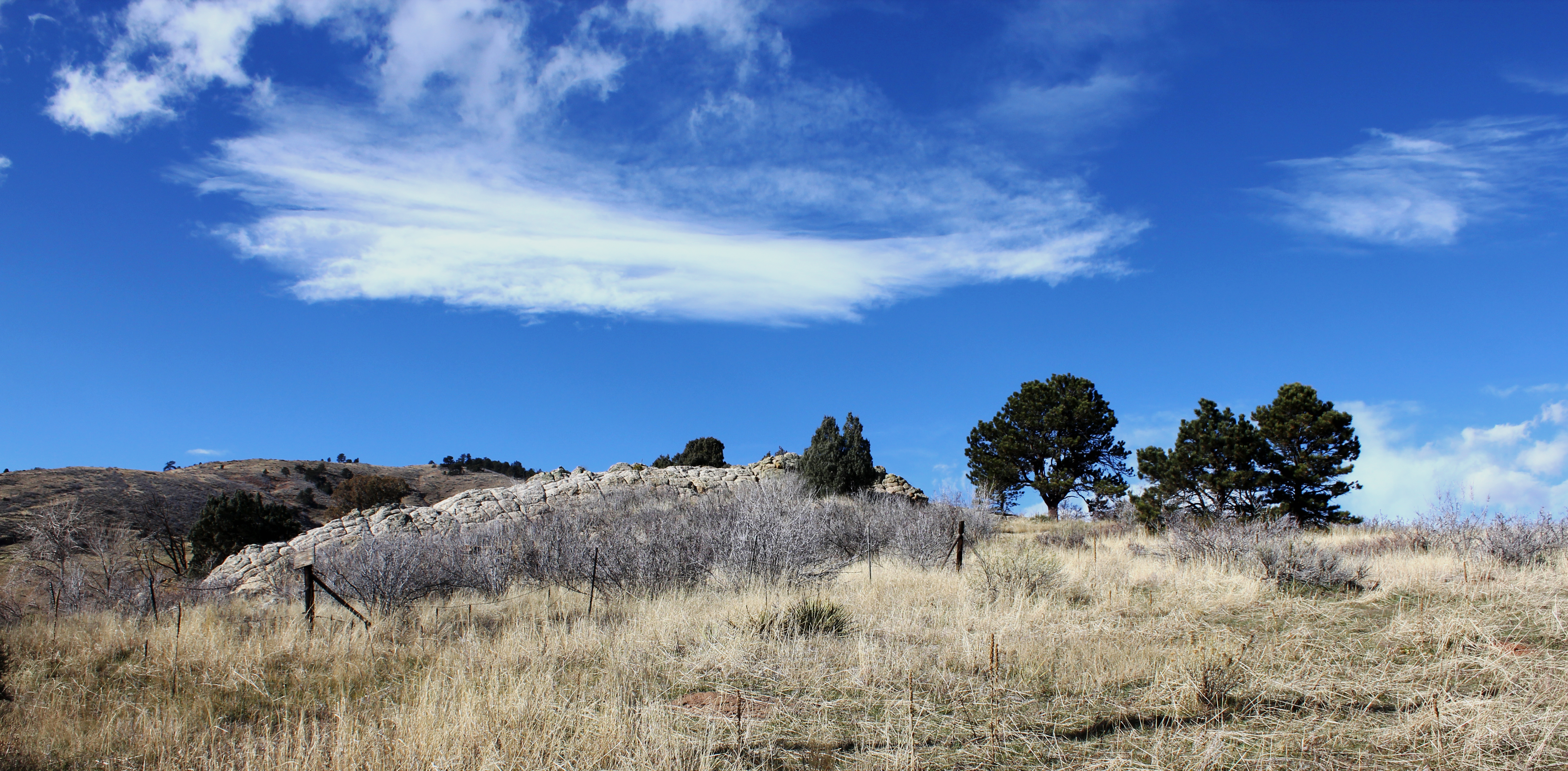
The Magic Mountain Site, located near the modern city of Golden, Colorado, is a testament to the deep history of human habitation in the American Southwest. Dating back to as early as 5000 BCE, this site offers a rare glimpse into the lives of the region’s early hunter-gatherer societies. Excavations at Magic Mountain have revealed a rich assemblage of artifacts, including stone tools, pottery fragments, and remnants of ancient hearths, painting a vivid picture of prehistoric life.
What makes the Magic Mountain Site particularly significant is its contribution to our understanding of the Archaic period in the American Southwest. The artifacts and ecofacts (environmental remains) found here provide evidence of how ancient peoples adapted to their environment, utilizing local resources to support a sustainable way of life. The variety of stone tools discovered at the site indicates a broad range of activities, from hunting and food preparation to tool manufacturing and possibly trade with neighboring groups.
One of the most intriguing aspects of the Magic Mountain Site is its insight into its inhabitants’ social and ritual life. The presence of ceremonial artifacts and the arrangement of certain architectural features suggest that the site was not only a place of habitation but also a center for ritual activities. These findings underscore the complexity of prehistoric societies, highlighting their spiritual beliefs and community practices.
The ongoing archaeological work at the Magic Mountain Site continues to uncover new information about the ancient peoples of Colorado, adding depth to our understanding of their cultures, technologies, and ways of life. Like the Lindenmeier Site, this site serves as a crucial link to the past, offering valuable lessons about human ingenuity, adaptation, and the enduring spirit of community.
Next, we will briefly explore other notable archaeological finds in Colorado, further illustrating the state’s rich prehistoric heritage.
Section 4: Other Notable Archaeological Finds
While the Lindenmeier and Magic Mountain sites offer profound insights into Colorado’s ancient past, they represent just a fraction of the state’s archaeological wealth. Colorado is home to several other significant sites that span a wide range of periods and cultures, each contributing to the mosaic of human history in the American Southwest.
Mesa Verde National Park is the most famous of these. It is known worldwide for its spectacular cliff dwellings built by the Ancestral Puebloans between the 6th and 12th centuries CE. These architectural marvels, perched high on the cliffs, showcase their builders’ ingenuity and architectural prowess, offering insights into their social organization, daily life, and spiritual practices.
Canyons of the Ancients National Monument is another treasure trove of archaeological sites, with thousands of known sites scattered across its landscape. This area was a cultural crossroads for various Native American tribes, including the Ancestral Puebloans. It contains many habitation sites, ceremonial kivas, and rock art that illuminate the diverse cultures and traditions of the region’s ancient inhabitants.
Beyond these well-known locations, numerous lesser-known sites across Colorado continue to be the focus of archaeological exploration. Each site, from small, isolated settlements to extensive cultural landscapes, adds to our understanding of the region’s prehistoric past, revealing new facets of ancient life, from migration patterns and trade networks to technological innovations and artistic expression.
These archaeological sites are not just relics of the past; they are living connections to the histories of the diverse peoples who have shaped Colorado’s cultural heritage. As stewards of these treasures, we are responsible for preserving them for future generations, ensuring that the stories they hold continue to inspire and educate.
Conclusion
Colorado’s hidden archaeological treasures provide a fascinating glimpse into the ancient past, revealing the depth and complexity of human history in the American Southwest. From the Lindenmeier Site’s insights into the Folsom culture to the Magic Mountain Site’s revelations about prehistoric hunter-gatherer societies, each site contributes to a broader understanding of the ancient peoples who lived, worked, and thrived in what is now Colorado. These sites remind us of the importance of preserving our cultural heritage, encouraging ongoing exploration and study to uncover even more about our shared human story.