
Introduction
In the vast and varied landscapes of the American Southwest, the earth beneath our feet tells stories of ancient civilizations, long-forgotten societies, and the inexorable march of time. Central to the uncovering of these narratives is the study of cultural layers, a cornerstone of archaeological research. These layers, accumulated over centuries, provide a tangible record of human activity, changes in environmental conditions, and the evolution of societies. Through the meticulous analysis of stratigraphy—the study of these layered deposits—archaeologists can piece together chronologies, understand the sequence of cultural changes, and gain insights into the past that are otherwise inaccessible. This exploration of cultural layers not only illuminates the history of the American Southwest but also offers a window into the broader human experience across time.
Next, we delve into the fundamentals of cultural layers and stratigraphy, laying the groundwork for understanding their critical role in archaeology.
Section 1: The Basics of Cultural Layers and Stratigraphy
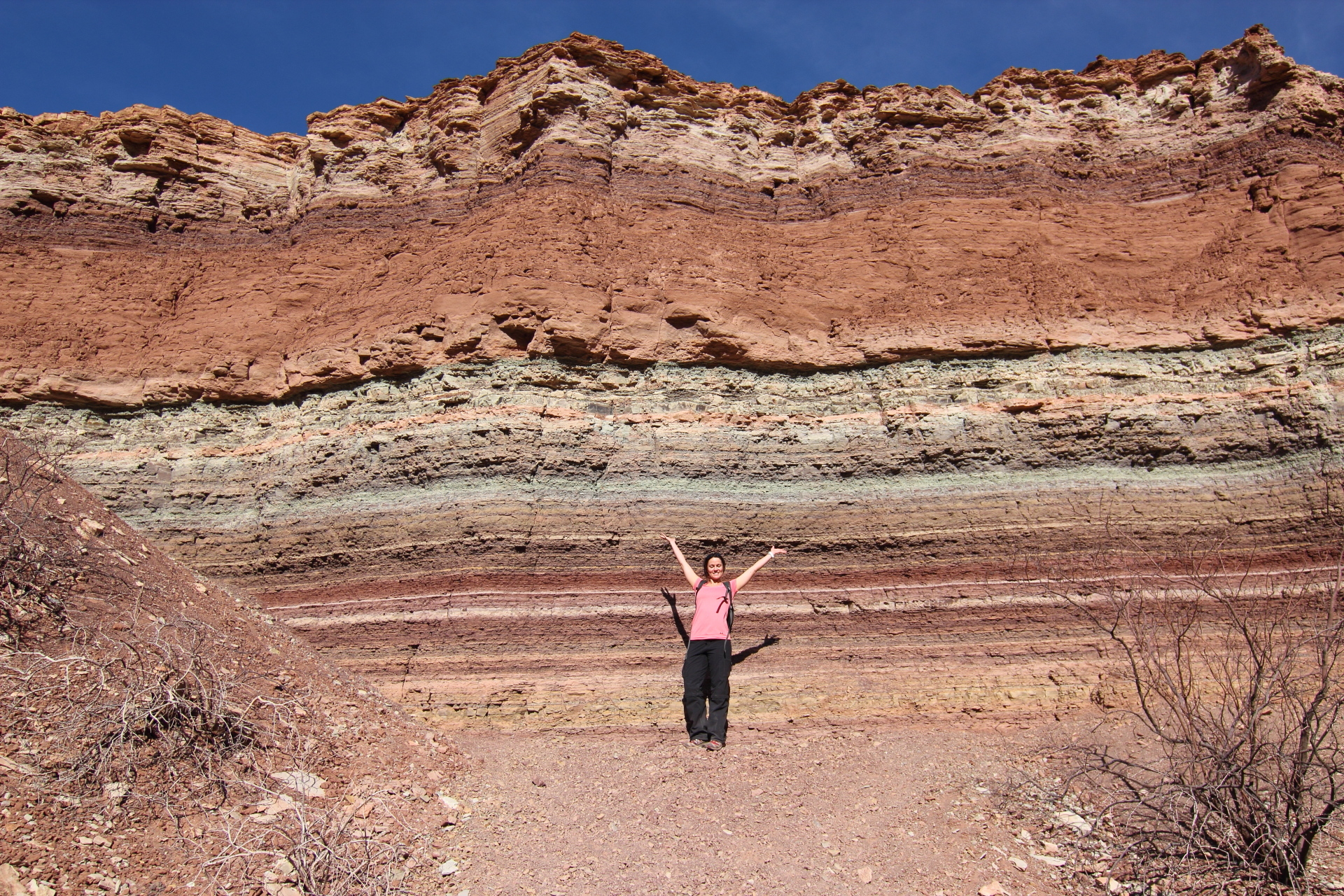
Cultural layers are the stratified deposits found in archaeological sites, each layer representing a distinct period of human activity. These layers can include anything from remnants of daily life, such as pottery and tools, to the foundations of buildings and other structures. Stratigraphy, a key principle in archaeology, involves the study of these sedimentary layers, providing a framework for interpreting the archaeological record. It is based on the principle that layers are deposited over time, with the oldest layers at the bottom and the newest on top, allowing archaeologists to establish a relative chronology of human activities.
Understanding cultural layers and stratigraphy is crucial for archaeological site analysis. This methodology enables researchers to date artifacts and features within specific layers, offering insights into the timing and sequence of human occupation and use of a site. Moreover, stratigraphy can reveal changes in cultural practices, environmental conditions, and societal organization, providing a comprehensive view of past human life.
In the context of the American Southwest, with its rich tapestry of indigenous cultures and complex history, stratigraphy becomes an invaluable tool. The region’s archaeological sites often contain well-preserved cultural layers that span thousands of years, from ancient Paleo-Indian settlements to more recent Native American and colonial occupations. By carefully analyzing these layers, archaeologists can trace the development of societies, understand their interactions with the environment, and reconstruct the history of human habitation in the area.
Next, we will explore the techniques used to uncover and study cultural layers, highlighting the meticulous process of excavation and the challenges involved in interpreting stratified sites.
Section 2: Techniques in Uncovering Cultural Layers
The process of uncovering cultural layers is both an art and a science, requiring a careful balance between excavation and preservation. Archaeologists employ a variety of techniques to reveal the stratified deposits that tell the story of past human activity. These methods range from traditional hand excavation, using tools like trowels and brushes, to more advanced techniques, such as soil analysis and geophysical surveys, which help identify buried features without disturbing the ground.
One of the primary challenges in excavating layered sites is maintaining the integrity of each layer. As archaeologists dig through the strata, they meticulously document the location, depth, and contents of each layer, ensuring that the context of artifacts and features is preserved. This detailed record-keeping is crucial for interpreting the site, as it allows researchers to reconstruct the sequence of deposition and understand the relationship between different layers.
In the American Southwest, the excavation of cultural layers often reveals complex sequences of occupation and use. For example, at sites like Chaco Canyon or Mesa Verde, careful excavation has uncovered evidence of successive building phases, changes in material culture, and shifts in social organization. These discoveries are made possible by the precise application of excavation techniques, which enable archaeologists to navigate the complexities of stratified deposits and uncover the nuanced history of human occupation in the region.
As we delve deeper into the role of stratigraphy in the American Southwest, we will explore specific case studies that highlight the significance of cultural layers in unraveling the region’s past.
Next, we explore the application of stratigraphy in the American Southwest, examining how this technique has been pivotal in uncovering the historical and cultural narratives of the region.
Stratigraphy in the American Southwest
The American Southwest serves as a rich canvas for archaeological exploration, where stratigraphy has unveiled the depth and diversity of its ancient cultures. This region, characterized by its arid landscapes and monumental ruins, has been a focal point for applying stratigraphic methods to understand the chronology and development of human societies.
One of the key contributions of stratigraphy in the Southwest is its ability to delineate the chronological sequence of cultural developments. Sites like Chaco Canyon, with its intricate multi-story buildings, and Mesa Verde, known for its cliff dwellings, have benefited from stratigraphic analysis. These studies have helped archaeologists piece together the timeline of construction, habitation, and eventual abandonment, providing insights into the social, environmental, and economic factors that influenced these ancient communities.
Case studies such as the excavation of Snaketown, a Hohokam site, illustrate the power of stratigraphy in interpreting the American Southwest’s past. Through careful excavation of cultural layers, researchers have traced the evolution of the Hohokam culture, marked by sophisticated irrigation systems and trade networks, over centuries. Similarly, at the Basketmaker II sites, stratigraphy has revealed shifts in subsistence strategies, from foraging to agriculture, signaling broader changes in societal organization and land use.
These examples underscore the significance of stratigraphy not only in dating sites and artifacts but also in reconstructing the environmental and cultural landscapes of the past. By analyzing the succession of cultural layers, archaeologists can infer patterns of settlement, trade, and adaptation to changing climates, offering a window into the resilience and ingenuity of ancient Southwestern cultures.
Next, we delve into the role of cultural layers in constructing chronologies, highlighting how these stratified records contribute to our understanding of temporal and cultural changes over millennia.
The Role of Cultural Layers in Constructing Chronologies
The construction of chronologies is fundamental to the field of archaeology, providing a framework to understand the sequence and timing of human activities across the ages. Cultural layers play a pivotal role in this endeavor, offering archaeologists the raw data needed to build timelines of past societies. Through the careful study of stratigraphy, researchers can establish relative dates for artifacts and features, placing them within a broader temporal context.
In the American Southwest, the analysis of cultural layers has been instrumental in constructing detailed chronologies that span thousands of years. This process involves not only the physical excavation of layers but also the application of various dating techniques, such as radiocarbon dating and dendrochronology (tree-ring dating), to materials recovered from these layers. By integrating these methods, archaeologists can create accurate and precise timelines that chart the development and interaction of ancient cultures in the region.
For example, the stratigraphic excavation of Pueblo Bonito in Chaco Canyon has allowed researchers to chronicle the rise and fall of the Chacoan society. The layers revealed a sequence of construction phases, indicating periods of expansion and decline linked to environmental changes and social dynamics. Similarly, stratigraphy at the Clovis site has provided crucial insights into the timing and spread of early Paleo-Indian cultures across North America.
The ability to construct chronologies from cultural layers extends beyond dating individual sites. It enables archaeologists to compare and contrast cultural developments across different regions, shedding light on migration patterns, trade connections, and cultural influences. This comparative approach enriches our understanding of the prehistoric Southwest, revealing the interconnectedness of ancient societies and their shared histories.
Conclusion
The study of cultural layers and stratigraphy is a cornerstone of archaeological research, offering a lens through which to view the passage of time and the evolution of human societies. In the American Southwest, these methods have uncovered the depth of the region’s ancient heritage, from the earliest hunter-gatherers to complex agricultural communities. By constructing chronologies and interpreting the stratified records of human activity, archaeology brings to life the stories of past cultures, their achievements, challenges, and legacies. As we continue to delve into the earth’s layered past, we not only uncover the history of human civilization but also gain insights into the resilience and adaptability of our species.